# Heroku vs Vercel: Which Platform Should You Choose in 2026?
> Planning to use Heroku or Vercel in 2026? Compare costs, performance, and scaling limits, and see why Kuberns is a smarter full-stack alternative.
- **Author**: suyash-tiwari
- **Published**: 2025-09-16
- **Modified**: 2026-03-26
- **Category**: Alternatives
- **URL**: https://kuberns.com/blogs/heroku-vs-vercel-comparison/
---
[Heroku](https://kuberns.com/blogs/what-is-heroku/) vs [Vercel](https://kuberns.com/blogs/vercel-app-guide/), which one should you choose? If you are searching for this answer, then you should read this article.
The honest answer for heroku vs vercel is this. It depends on what you are building. But in 2026, neither platform is truly ideal for modern full-stack production apps.
[Vercel](https://vercel.com) is good for frontend projects and works especially well with frameworks like Next.js. But once you move beyond frontend into backend-heavy workloads, you quickly face limitations and added complexity.
[Heroku](https://www.heroku.com/) supports backend applications and multiple languages, but it relies on manual configuration and traditional deployment models. So while both platforms simplify deployment compared to raw cloud infrastructure, they leave you managing operational work.
And that is the real issue for you, right?
Developers today are not just comparing hosting platforms anymore. They are looking for platforms where you don’t have to does not require any manual setup at all.
This is where [Agentic AI-powered deployment](https://kuberns.com/) comes in. Instead of choosing between Heroku’s backend simplicity and Vercel’s frontend speed, a modern AI-driven platform automates the whole complex deployment process for you and helps you deploy faster.
In this guide, we will break down Heroku vs Vercel in detail. And we will also show you why many teams are moving toward Agentic AI platforms like Kuberns to remove manual deployment work completely.
### TL;DR
This is your decision guide to choose the best platform for your project, if you just want to ship your project and do not want to spend time thinking about infrastructure decisions,
* Heroku: Good for backend apps, but still requires manual setup and configuration. Costs increase as your app grows, and you need to manage scaling and infrastructure decisions yourself.
* Vercel: Excellent for frontend projects, but limited for backend-heavy applications. Advanced usage and serverless workloads can increase costs quickly.
* Both platforms simplify deployment compared to raw cloud servers, but neither fully removes manual operational work.
* **[Kuberns](https://kuberns.com/):** A **[one-click Agentic AI platform for deployment](https://dashboard.kuberns.com/)** that automatically handles setup, scaling, and optimisation. No manual configuration. No per-user pricing. You deploy your project, and the system manages the rest.
* If you want to stop managing infrastructure and focus only on building, Agentic AI deployment is the next step.
 ## What Is Vercel?
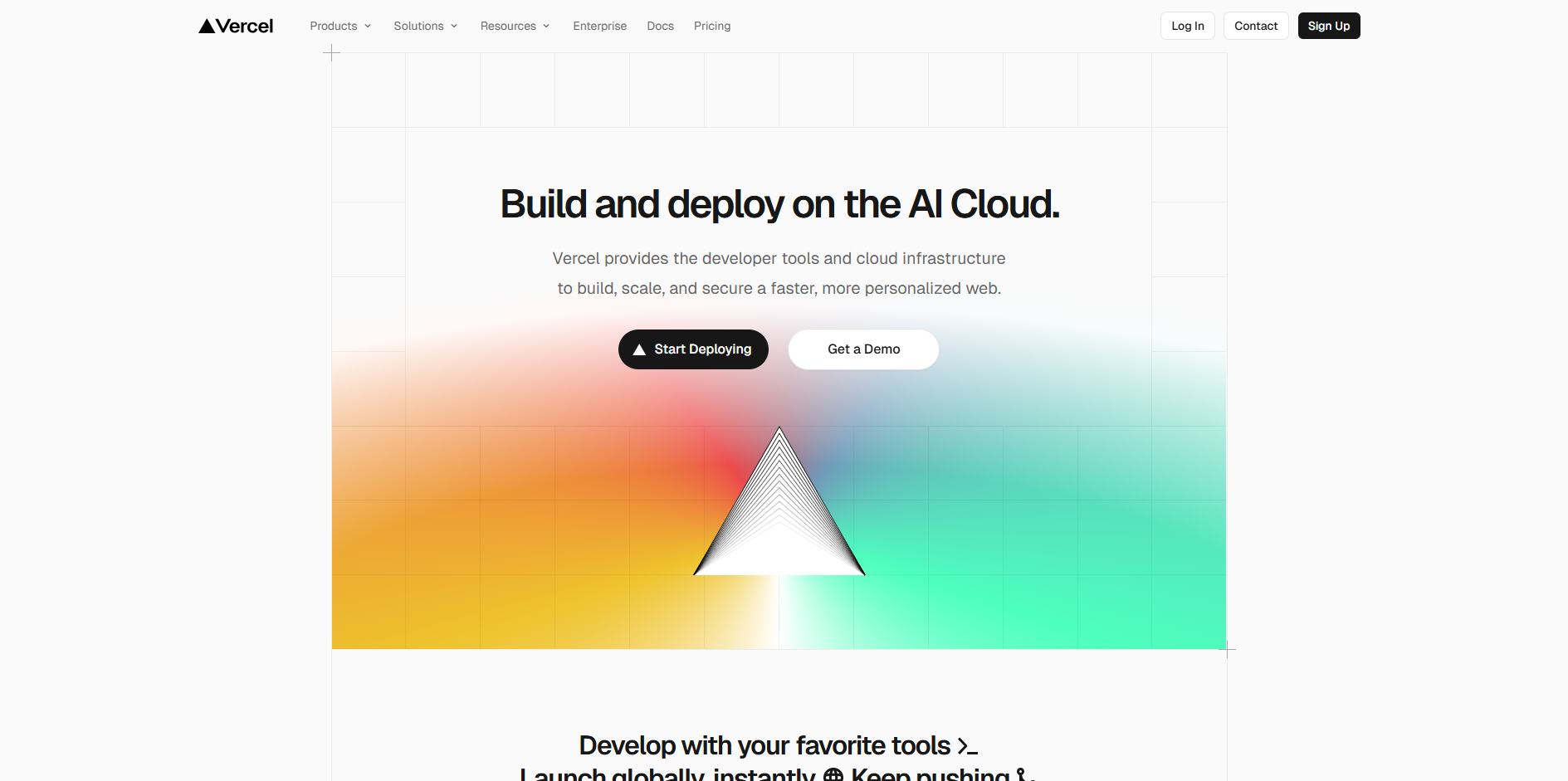
Vercel is a platform **designed for frontend-first and serverless deployments**. It is tightly integrated with frameworks like Next.js, React, and Svelte, making it a popular choice for developers who prioritise speed and global reach. The platform **simplifies deployment with built-in CI/CD pipelines and automated scaling**, which makes it attractive for teams focused mainly on static sites or frontend-heavy applications. However, its scope is narrower when it comes to backend-driven projects or multi-language support.
For teams looking at a broader approach that goes beyond frontend hosting, it is worth reviewing how [Vercel compares with Kuberns](https://docs.kuberns.com/docs/comparison/vercel-vs-kuberns). Kuberns **provides the same simplicity for frontend frameworks but also supports full-stack deployments with integrated CI/CD, monitoring, and up to 40% AWS cost savings**, making it a more versatile option for projects that need both frontend and backend scalability.
## What Is Heroku?
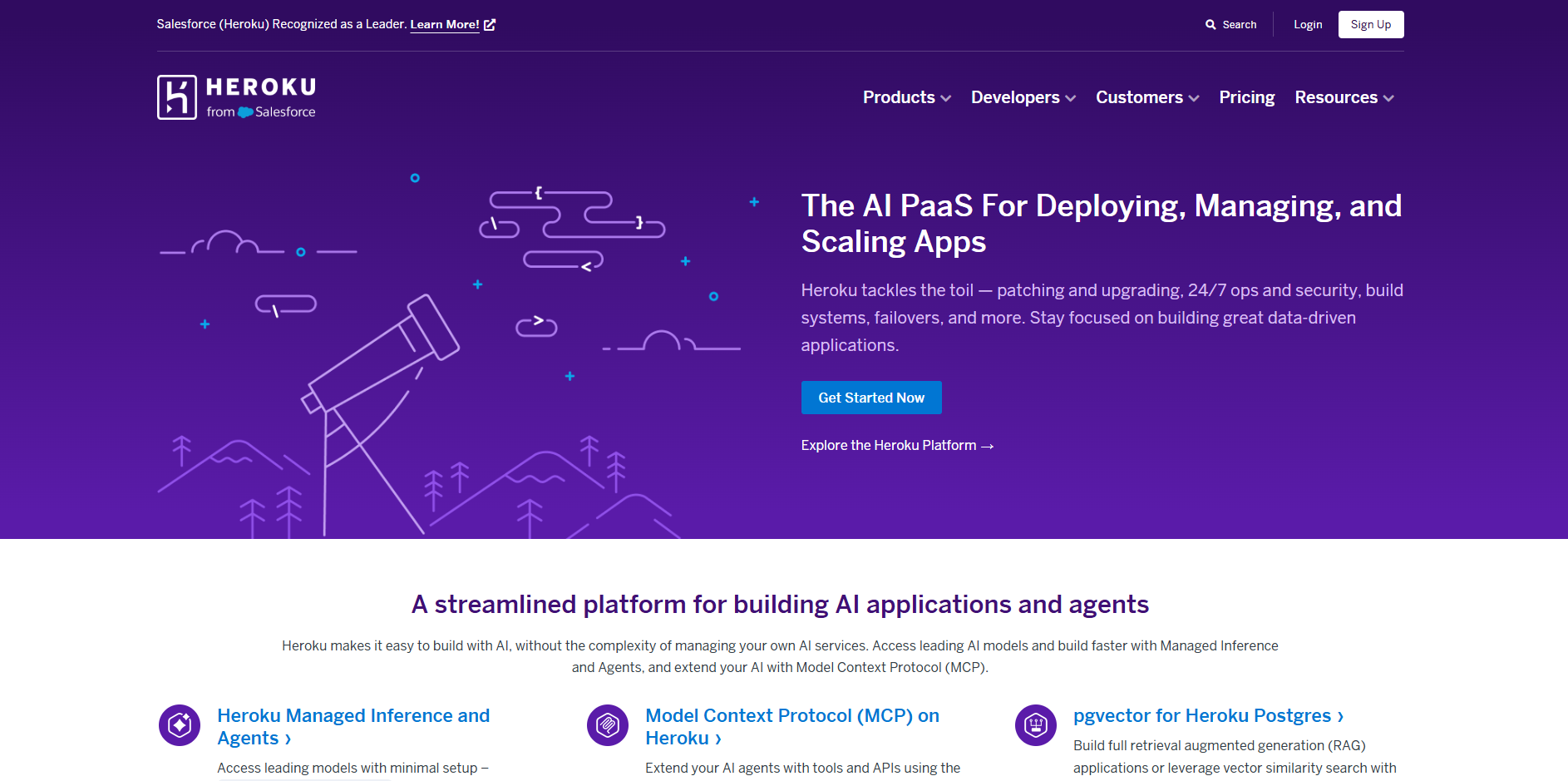
Heroku is one of the earliest Platform as a Service providers that made it **easier for developers to deploy and scale applications**. It supports several languages such as Node.js, Python, Ruby, Java, PHP, and Go. Applications run on containers called dynos, and developers can deploy code directly through Git. The platform also offers a **marketplace of add-ons for databases, caching, and monitoring**, which makes it useful for building full-stack applications and APIs.
Heroku is still valued for its simplicity, especially by startups and small teams, but its pricing and scaling limitations have become challenges for larger or growing projects. Teams exploring modern options often look at [Heroku vs. Kuberns](https://docs.kuberns.com/docs/comparison/heroku-vs-kuberns), since **Kuberns provides the same easy workflow with Git-based deployments while adding AI-driven scaling, integrated monitoring, and lower cloud costs**.
### Heroku vs Vercel: Key Differences
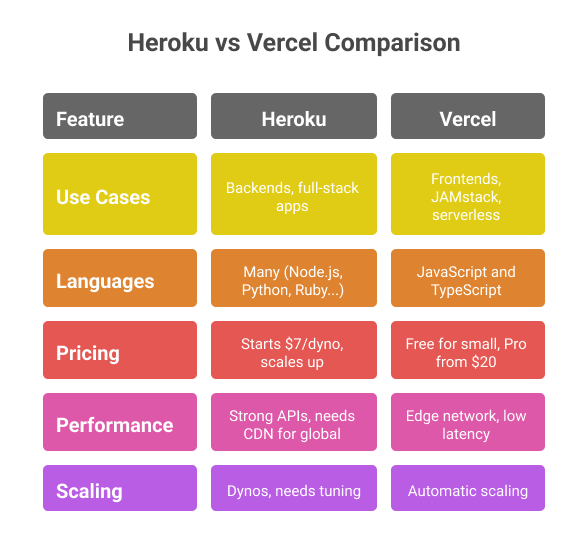
Heroku and Vercel are both built with different priorities in mind.
Vercel is designed primarily for frontend development. It works especially well with modern JavaScript frameworks and makes deploying static and server-rendered frontend apps feel fast and seamless. If your project is mostly frontend with light backend logic handled through serverless functions, Vercel feels smooth and optimised.
Heroku, on the other hand, is more flexible and backend-friendly. It supports multiple programming languages and is commonly used for projects that require persistent services. It does not specialise in frontend optimisations the way Vercel does, but it offers broader support for different types of applications.
> ***“However, both platforms still follow a traditional deployment model. As your application grows, you are responsible for managing configuration, understanding pricing changes, and making infrastructure decisions. Neither platform fully removes operational work.”***
That is why more teams are starting to look beyond the Heroku vs Vercel debate and migrate to [Kuberns’ Agentic AI-powered platform](https://kuberns.com/) that automates deployment entirely.
## Kuberns: Deployment Powered by Agentic AI
If you are comparing Heroku and Vercel, you are probably trying to choose the easier platform to deploy your project. But what if you did not have to choose between frontend optimisation and backend flexibility at all?
[Kuberns](https://kuberns.com/) is built around Agentic AI for deployment. Instead of just hosting your application, it actively manages it. With traditional platforms like Heroku and Vercel, you handle configuration, scaling decisions, and cost management as your project grows. Kuberns changes that model.
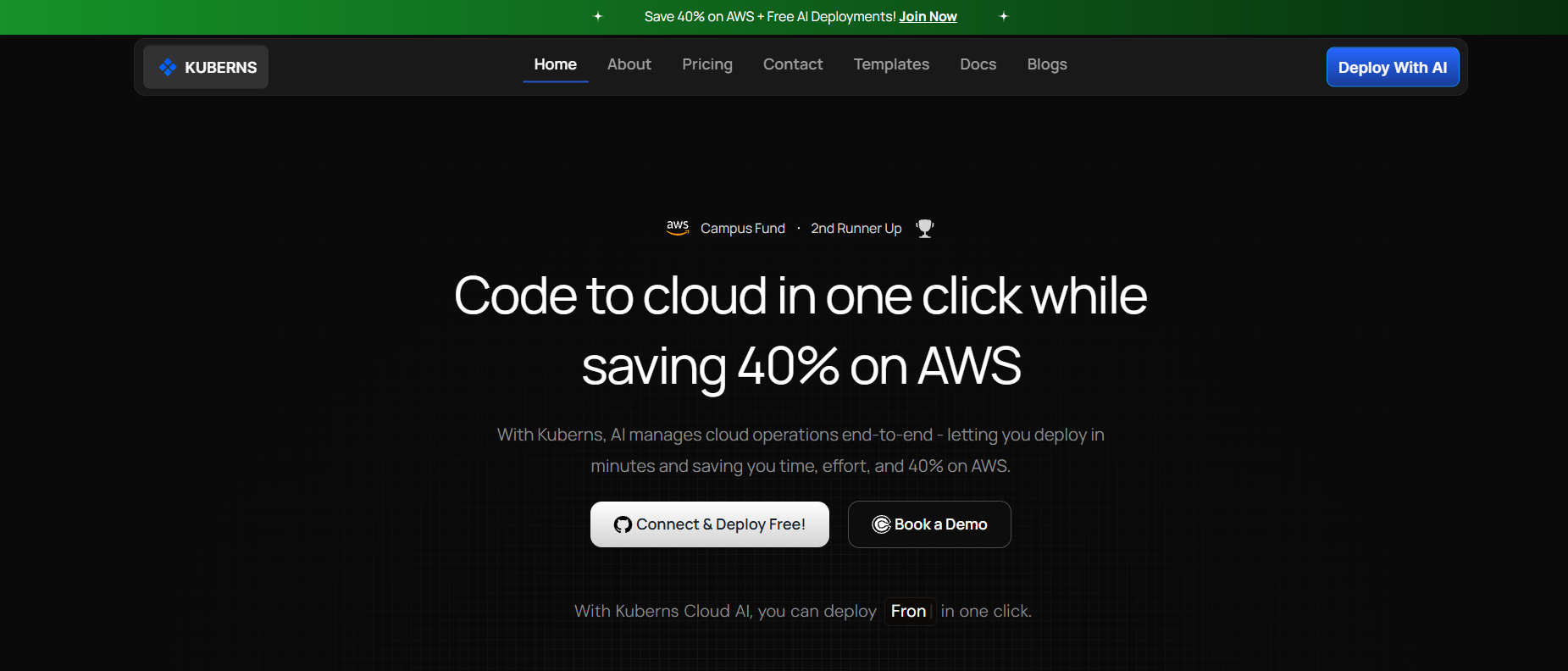
You connect your GitHub repository, click deploy, and your full-stack project goes live. There is no manual setup, no infrastructure management, and no configuration work.
The built-in Agentic AI automatically handles:
* Environment setup
* Infrastructure provisioning
* Scaling based on traffic
* Performance optimisation
> **“Unlike Vercel, Kuberns is not limited to frontend workflows. Unlike Heroku, it does not rely on manual scaling decisions. It supports frontend, backend, and full-stack applications in a [single unified platform](https://dashboard.kuberns.com/).”**
Pricing is also straightforward. There is no per-user pricing model. You pay only for the infrastructure your application actually uses, not for each developer on your team.
In 2026, deployment should not feel like managing infrastructure. It should feel like shipping code. That is the difference Agentic AI brings.
### So, Which One Should You Choose?
Here is the important part. Both Heroku and Vercel still require you to think about configuration, scaling, and cost as your application grows. You are choosing between frontend optimisation and backend flexibility, not between manual work and automation.
So, instead of deciding between Heroku and Vercel, many teams are now choosing [Kuberns powered by Agentic AI](https://kuberns.com/). These platforms deploy your full-stack project in one click and automatically handle infrastructure, scaling, and optimisation behind the scenes.
#### Here is the Comparison Table to help you understand better.
| Platform | **[Kuberns](https://kuberns.com/)** | Heroku | Vercel |
| ------------------------- | --------------------------------------------------------- | ------------------------------------------------------- | ------------------------------------------------- |
| **Best For** | **Full-stack apps, modern teams** | Backend and multi-language apps | Frontend and static apps |
| **Deployment Experience** | **One-click deployment by Agentic AI** | Git-based deployment with setup steps | Optimised for frontend frameworks |
| **Deployment Time** | **Under 15 minutes** | 35+ minutes (based on setup steps) | 25–30 minutes for frontend |
| **Manual Work Required** | **No manual configuration** | Manual configuration and scaling decisions as apps grow | Backend setup and architecture decisions required |
| **Pricing Model** | **No per-user pricing, pay only for infrastructure used** | Dyno-based pricing + add-ons | Per-user plans + usage-based billing |
## The Smarter Way to Deploy in 2026
Choosing between Heroku and Vercel ultimately comes down to your project type. Heroku works well for backend-focused applications. Vercel shines in frontend-first workflows. Both platforms simplify deployment compared to raw cloud infrastructure. But both still require manual decisions as your app grows.
Kuberns combines frontend and backend deployment into a single platform and removes the operational overhead entirely. No manual setup. No per-user pricing. No trade-offs between frontend and backend workflows.
If you are comparing Heroku vs Vercel, it may be time to look beyond both and move to a smarter deployment model.
[Deploy your next project with Agentic AI](https://dashboard.kuberns.com/)
## What Is Vercel?

Vercel is a platform **designed for frontend-first and serverless deployments**. It is tightly integrated with frameworks like Next.js, React, and Svelte, making it a popular choice for developers who prioritise speed and global reach. The platform **simplifies deployment with built-in CI/CD pipelines and automated scaling**, which makes it attractive for teams focused mainly on static sites or frontend-heavy applications. However, its scope is narrower when it comes to backend-driven projects or multi-language support.
For teams looking at a broader approach that goes beyond frontend hosting, it is worth reviewing how [Vercel compares with Kuberns](https://docs.kuberns.com/docs/comparison/vercel-vs-kuberns). Kuberns **provides the same simplicity for frontend frameworks but also supports full-stack deployments with integrated CI/CD, monitoring, and up to 40% AWS cost savings**, making it a more versatile option for projects that need both frontend and backend scalability.
## What Is Heroku?

Heroku is one of the earliest Platform as a Service providers that made it **easier for developers to deploy and scale applications**. It supports several languages such as Node.js, Python, Ruby, Java, PHP, and Go. Applications run on containers called dynos, and developers can deploy code directly through Git. The platform also offers a **marketplace of add-ons for databases, caching, and monitoring**, which makes it useful for building full-stack applications and APIs.
Heroku is still valued for its simplicity, especially by startups and small teams, but its pricing and scaling limitations have become challenges for larger or growing projects. Teams exploring modern options often look at [Heroku vs. Kuberns](https://docs.kuberns.com/docs/comparison/heroku-vs-kuberns), since **Kuberns provides the same easy workflow with Git-based deployments while adding AI-driven scaling, integrated monitoring, and lower cloud costs**.
### Heroku vs Vercel: Key Differences

Heroku and Vercel are both built with different priorities in mind.
Vercel is designed primarily for frontend development. It works especially well with modern JavaScript frameworks and makes deploying static and server-rendered frontend apps feel fast and seamless. If your project is mostly frontend with light backend logic handled through serverless functions, Vercel feels smooth and optimised.
Heroku, on the other hand, is more flexible and backend-friendly. It supports multiple programming languages and is commonly used for projects that require persistent services. It does not specialise in frontend optimisations the way Vercel does, but it offers broader support for different types of applications.
> ***“However, both platforms still follow a traditional deployment model. As your application grows, you are responsible for managing configuration, understanding pricing changes, and making infrastructure decisions. Neither platform fully removes operational work.”***
That is why more teams are starting to look beyond the Heroku vs Vercel debate and migrate to [Kuberns’ Agentic AI-powered platform](https://kuberns.com/) that automates deployment entirely.
## Kuberns: Deployment Powered by Agentic AI
If you are comparing Heroku and Vercel, you are probably trying to choose the easier platform to deploy your project. But what if you did not have to choose between frontend optimisation and backend flexibility at all?
[Kuberns](https://kuberns.com/) is built around Agentic AI for deployment. Instead of just hosting your application, it actively manages it. With traditional platforms like Heroku and Vercel, you handle configuration, scaling decisions, and cost management as your project grows. Kuberns changes that model.

You connect your GitHub repository, click deploy, and your full-stack project goes live. There is no manual setup, no infrastructure management, and no configuration work.
The built-in Agentic AI automatically handles:
* Environment setup
* Infrastructure provisioning
* Scaling based on traffic
* Performance optimisation
> **“Unlike Vercel, Kuberns is not limited to frontend workflows. Unlike Heroku, it does not rely on manual scaling decisions. It supports frontend, backend, and full-stack applications in a [single unified platform](https://dashboard.kuberns.com/).”**
Pricing is also straightforward. There is no per-user pricing model. You pay only for the infrastructure your application actually uses, not for each developer on your team.
In 2026, deployment should not feel like managing infrastructure. It should feel like shipping code. That is the difference Agentic AI brings.
### So, Which One Should You Choose?
Here is the important part. Both Heroku and Vercel still require you to think about configuration, scaling, and cost as your application grows. You are choosing between frontend optimisation and backend flexibility, not between manual work and automation.
So, instead of deciding between Heroku and Vercel, many teams are now choosing [Kuberns powered by Agentic AI](https://kuberns.com/). These platforms deploy your full-stack project in one click and automatically handle infrastructure, scaling, and optimisation behind the scenes.
#### Here is the Comparison Table to help you understand better.
| Platform | **[Kuberns](https://kuberns.com/)** | Heroku | Vercel |
| ------------------------- | --------------------------------------------------------- | ------------------------------------------------------- | ------------------------------------------------- |
| **Best For** | **Full-stack apps, modern teams** | Backend and multi-language apps | Frontend and static apps |
| **Deployment Experience** | **One-click deployment by Agentic AI** | Git-based deployment with setup steps | Optimised for frontend frameworks |
| **Deployment Time** | **Under 15 minutes** | 35+ minutes (based on setup steps) | 25–30 minutes for frontend |
| **Manual Work Required** | **No manual configuration** | Manual configuration and scaling decisions as apps grow | Backend setup and architecture decisions required |
| **Pricing Model** | **No per-user pricing, pay only for infrastructure used** | Dyno-based pricing + add-ons | Per-user plans + usage-based billing |
## The Smarter Way to Deploy in 2026
Choosing between Heroku and Vercel ultimately comes down to your project type. Heroku works well for backend-focused applications. Vercel shines in frontend-first workflows. Both platforms simplify deployment compared to raw cloud infrastructure. But both still require manual decisions as your app grows.
Kuberns combines frontend and backend deployment into a single platform and removes the operational overhead entirely. No manual setup. No per-user pricing. No trade-offs between frontend and backend workflows.
If you are comparing Heroku vs Vercel, it may be time to look beyond both and move to a smarter deployment model.
[Deploy your next project with Agentic AI](https://dashboard.kuberns.com/)
 ## Questions about Heroku vs Vercel: Developers Ask
### What is the biggest limitation of Heroku and Vercel?
Both platforms simplify deployment, but they still require manual configuration and infrastructure decisions as your project grows. They reduce complexity, but they do not remove operational work completely.
### Is there a platform that removes manual setup entirely?
Yes. Modern [Agentic AI-powered platforms like Kuberns](https://kuberns.com/) automate the whole end-to-end deployment. You connect your repository, click deploy, and the system manages infrastructure automatically without ongoing manual tuning.
### Can I deploy full-stack apps without choosing between frontend and backend platforms?
With traditional tools, you often optimise for either frontend or backend workflows. Kuberns support full-stack applications in one unified system, removing the need to split deployments across different tools.
### What is Agentic AI in deployment?
Agentic AI means the platform actively manages your application during and after deployment. It handles provisioning, setup, and optimisation automatically instead of relying on manual configuration. Kuberns is the only platform built around this model.
### When should I consider moving beyond Heroku or Vercel?
If you are spending time adjusting infrastructure, watching usage metrics closely, or worrying about cost as traffic grows, it may be time to move to an [AI-powered deployment platform](https://dashboard.kuberns.com/) that handles those decisions for you.
### What is the simplest way to deploy and scale in 2026?
For teams that want one-click deployment with built-in automation, Agentic AI platforms like Kuberns offer the simplest path. Connect your code, deploy in minutes, and let the system handle the rest.
---
- [More Alternatives articles](https://kuberns.com/blogs/category/alternatives/1/)
- [All articles](https://kuberns.com/blogs/)
## Questions about Heroku vs Vercel: Developers Ask
### What is the biggest limitation of Heroku and Vercel?
Both platforms simplify deployment, but they still require manual configuration and infrastructure decisions as your project grows. They reduce complexity, but they do not remove operational work completely.
### Is there a platform that removes manual setup entirely?
Yes. Modern [Agentic AI-powered platforms like Kuberns](https://kuberns.com/) automate the whole end-to-end deployment. You connect your repository, click deploy, and the system manages infrastructure automatically without ongoing manual tuning.
### Can I deploy full-stack apps without choosing between frontend and backend platforms?
With traditional tools, you often optimise for either frontend or backend workflows. Kuberns support full-stack applications in one unified system, removing the need to split deployments across different tools.
### What is Agentic AI in deployment?
Agentic AI means the platform actively manages your application during and after deployment. It handles provisioning, setup, and optimisation automatically instead of relying on manual configuration. Kuberns is the only platform built around this model.
### When should I consider moving beyond Heroku or Vercel?
If you are spending time adjusting infrastructure, watching usage metrics closely, or worrying about cost as traffic grows, it may be time to move to an [AI-powered deployment platform](https://dashboard.kuberns.com/) that handles those decisions for you.
### What is the simplest way to deploy and scale in 2026?
For teams that want one-click deployment with built-in automation, Agentic AI platforms like Kuberns offer the simplest path. Connect your code, deploy in minutes, and let the system handle the rest.
---
- [More Alternatives articles](https://kuberns.com/blogs/category/alternatives/1/)
- [All articles](https://kuberns.com/blogs/)