# The 10 Best Heroku Alternatives for Developers in 2026
> Compare 10 Heroku alternatives for cloud deployment in 2026, including Kuberns, Render and Railway. Review pricing, scaling, features and best use cases.
- **Author**: charan-achari
- **Published**: 2025-07-17
- **Modified**: 2026-08-14
- **Category**: Alternatives
- **URL**: https://kuberns.com/blogs/heroku-alternatives/
---
The best Heroku alternatives in 2026 are Kuberns, Render, Railway, DigitalOcean App Platform, Fly.io, Northflank, Qovery, Upsun, Vercel and Netlify. Kuberns is a strong choice for teams that want an Agentic AI platform for deployment with minimal configuration. Render and Railway provide familiar managed workflows, while Fly.io, Northflank and Qovery offer more infrastructure control.
Kuberns is the best Heroku alternative for teams deploying full-stack and complex backend applications with Agentic AI for deployment and minimal configuration. Other platforms may fit narrower requirements, such as frontend hosting or regional infrastructure control. This guide compares each option by deployment model, pricing, databases, background workloads, scaling and operational effort. Pricing and product details were checked against official provider pages in July 2026.
Heroku remains available to current users, but its February 2026 move to a ["sustaining engineering" model](https://www.heroku.com/blog/an-update-on-heroku/) means the company is prioritizing security, stability and reliability instead of new features. Heroku also stopped offering new Enterprise Account contracts. That change makes this a practical time to evaluate where your next application should run.
## TL;DR: What Are the Top Heroku Alternatives in 2026?
1. **[Kuberns](https://kuberns.com/): Best for full-stack and complex backend applications with Agentic AI for deployment.** Connect a GitHub repository and let Kuberns handle stack detection, builds and deployment configuration. Plans start at $7, with bundle packs available for additional savings.
2. **[Render](https://render.com/): Best for a familiar managed PaaS.** It supports web services, private services, background workers, cron jobs and managed data services.
3. **[Railway](https://railway.com/): Best for prototypes and multi-service projects.** Its visual project canvas, Git deployment and database templates make it quick to assemble an application.
4. **[DigitalOcean App Platform](https://www.digitalocean.com/products/app-platform): Best for an integrated cloud ecosystem.** It combines managed app deployment with access to DigitalOcean databases, storage and infrastructure.
5. **[Fly.io](https://fly.io/): Best for globally distributed applications.** It runs applications in regional Machines and gives developers more networking and placement control.
6. **[Northflank](https://northflank.com/): Best for complex workloads and BYOC.** It brings services, jobs, databases, pipelines and managed or bring-your-own-cloud deployment into one platform.
7. **[Qovery](https://www.qovery.com/): Best for Kubernetes capabilities on your cloud.** It provides a control plane over infrastructure in your AWS, GCP, Azure or Scaleway account.
8. **[Upsun](https://upsun.com/): Best for structured application environments.** It provides preview environments, managed services and resource-based pricing for professional teams.
9. **[Vercel](https://vercel.com/): Best for frontend and JavaScript applications.** It is especially strong for Next.js, preview deployments and global web delivery.
10. **[Netlify](https://www.netlify.com/): Best for static and frontend-first projects.** It combines Git-based deployment, deploy previews, functions and a global CDN.
## Why Developers Are Looking for Heroku Alternatives
### Heroku is no longer developing new features
Heroku [confirmed its sustaining engineering model](https://www.heroku.com/blog/an-update-on-heroku/) in February 2026. Existing users can continue using the platform with no immediate change to day-to-day service, pricing or billing. However, teams choosing a platform for a new multi-year application may prefer a provider with an active feature roadmap.
### The free tier ended and production costs include more than compute
Heroku ended its free product plans in November 2022. A real production estimate needs to include dynos, databases, caching, monitoring and other add-ons rather than comparing only the cheapest compute option. See our current [Heroku pricing breakdown](https://kuberns.com/blogs/heroku-pricing-explained/) for the components that most often change the final bill.
### Different workloads now need different deployment models
Heroku popularised a simple Git-based deployment experience. Modern teams also evaluate native containers, preview environments, regional placement, bring-your-own-cloud infrastructure, scale-to-zero functions and automated resource management. The right replacement depends on which of those capabilities the application actually needs.
### What developers are saying
Developer discussions are anecdotal, but they reveal the questions buyers ask before moving:


*Source: Public Reddit discussions about Heroku alternatives and migration experiences.*
* In an [r/node discussion about Heroku alternatives](https://www.reddit.com/r/node/comments/xa5atb/can_anyone_recommend_a_heroku_alternative_or_was/), developers compared Render, Railway and Fly.io around free-tier limits and ease of deployment.
* A more recent [r/webdev discussion about the best Heroku alternatives](https://www.reddit.com/r/webdev/comments/1qyb719/best_heroku_alternatives/) separated frontend choices such as Vercel from platforms intended for persistent backend applications.
* In a [production migration discussion](https://www.reddit.com/r/Heroku/comments/1likb1c/recent_outage_was_the_last_straw_for_me_what_i/), participants compared Render and Northflank while discussing reliability, control and bring-your-own-cloud requirements.
These threads should not be treated as controlled platform tests. They show that developers compare specific requirements such as background workers, free-tier behavior, databases, regional control and migration effort before choosing a Heroku alternative.
## Heroku Alternatives Comparison Table
We evaluated each platform using official documentation and pricing available in July 2026. The comparison focuses on deployment workflow, background processes, managed data services, scaling, infrastructure control and the work required from the development team. Starting prices are entry points, not complete production estimates.
| Platform | Best for | Platform model | Starting price | Free option | Workers or cron | Managed data services | Operational effort |
| --- | --- | --- | --- | --- | --- | --- | --- |
| **Kuberns** | Minimal-configuration full-stack deployment | Agentic AI platform for deployment | **$7 with bundle packs for more savings** | Trial Option available | Yes | Connect supported data services | Very low |
| Render | Heroku-like managed workflows | Managed PaaS | Compute from $7; workspace plans separate | Yes, with limits | Yes | PostgreSQL and Key Value | Low |
| Railway | Prototypes and composed services | Managed PaaS | Free plan with $1 monthly usage; Hobby has $5 minimum usage | Yes, limited | Workers supported; cron requires a paid plan after the trial | Database templates and volumes | Low |
| DigitalOcean App Platform | Apps using a wider cloud ecosystem | Managed PaaS | Paid containers from $5 | Static sites only | Yes | Development and managed databases | Low |
| Fly.io | Regional applications and infrastructure control | Managed application infrastructure | Usage-based; small Machines from about $2 per month | Trial only for new users | Yes | Managed Postgres and partner services | Medium |
| Northflank | Services, jobs, databases and BYOC | Managed PaaS and BYOC platform | Free Sandbox; paid compute from $2.70 per month | Yes | Yes | Databases and queues | Medium |
| Qovery | Kubernetes automation in your cloud | BYOC control plane | Usage-based; contact Qovery for an estimate | Free trial | Yes | Runs in your cloud account | Medium |
| Upsun | Structured environments and enterprise workflows | Managed PaaS | Resource-based; free trial and first-project credit | Trial and ongoing credit | Yes | Multiple managed services | Medium |
| Vercel | Next.js and frontend-first web applications | Frontend cloud and functions | Hobby $0; Pro $20 per developer seat per month | Personal, non-commercial | Limited for persistent workloads | Integrations and storage products | Low for frontend |
| Netlify | Static sites and frontend-first applications | Frontend cloud and functions | Free; Personal $9 per month | Yes, 300 credits | Functions and scheduled functions | Netlify Database and integrations | Low for frontend |
Pricing sources: [Kuberns](https://kuberns.com/pricing), [Render](https://render.com/pricing), [Railway](https://railway.com/pricing), [DigitalOcean App Platform](https://www.digitalocean.com/pricing/app-platform), [Fly.io](https://fly.io/docs/about/pricing/), [Northflank](https://northflank.com/pricing), [Qovery](https://www.qovery.com/pricing), [Upsun](https://upsun.com/pricing/), [Vercel](https://vercel.com/pricing) and [Netlify](https://www.netlify.com/pricing/).
## Top 10 Heroku Alternatives in 2026
### 1. Kuberns
**Best for:** Startups, agencies and full-stack teams that want to deploy without managing infrastructure configuration
**Platform model:** Agentic AI platform for deployment
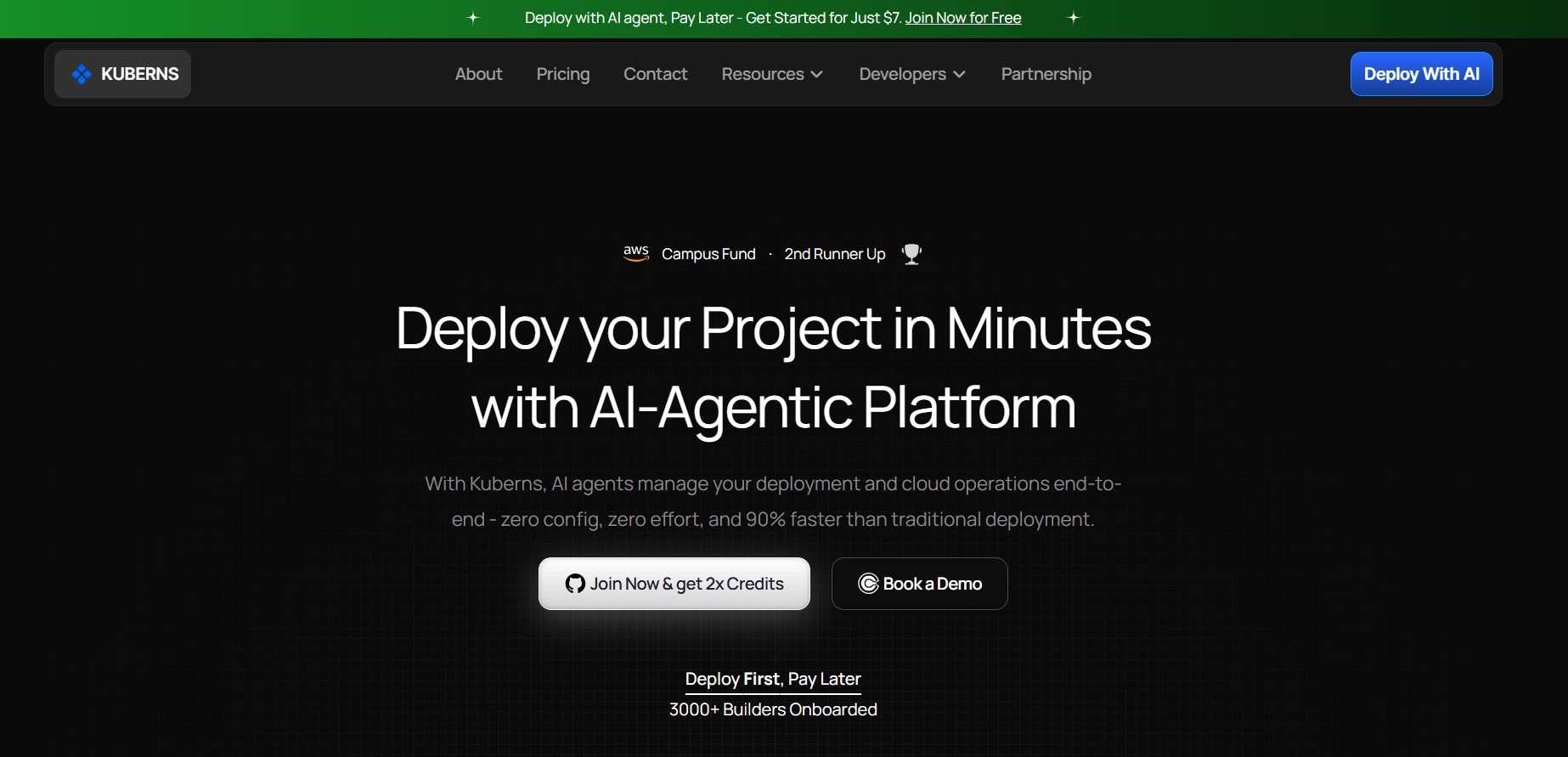
[Kuberns](https://kuberns.com/) connects to a GitHub repository, detects the application stack and handles the deployment workflow from one dashboard. The central difference is not another hosting abstraction. It is the use of Agentic AI to reduce the configuration decisions normally required before an application can run.
#### Key features
* Agentic AI for stack detection and deployment
* One-click deployment from GitHub
* Full-stack application support
* Built-in logs, monitoring and deployment tracking
* No per-user pricing
* Plans starting at $7
* Bundle packs for additional savings
#### How Kuberns differs from Heroku
Heroku uses buildpack and Procfile conventions to define how applications are built and run. It automatically detects supported buildpacks in many projects, and a Procfile is not required for every application. Kuberns uses Agentic AI to inspect the repository and automate more of the deployment workflow. It is a better fit when the goal is to reduce setup and ongoing infrastructure work rather than gain low-level control.
#### Pricing
[Kuberns pricing](https://kuberns.com/pricing) starts at $7. Bundle packs provide additional savings for teams that need more capacity. Kuberns does not charge per user, so adding collaborators does not create a separate seat fee.
#### Strengths
* Very low configuration burden
* Clear fit for teams without dedicated DevOps staff
* One dashboard for frontend and backend deployment
* Agentic AI platform for deployment rather than manual platform configuration
#### Limitations
* A newer ecosystem than Heroku, Render or the large cloud providers
* Less suitable for teams that want direct control over clusters, networks and every infrastructure primitive
**Choose Kuberns if:** your priority is getting a full-stack application into production with minimal deployment configuration and no per-user pricing.
### 2. Render
**Best for:** Teams that want a broad, Heroku-like managed PaaS
**Platform model:** Managed PaaS
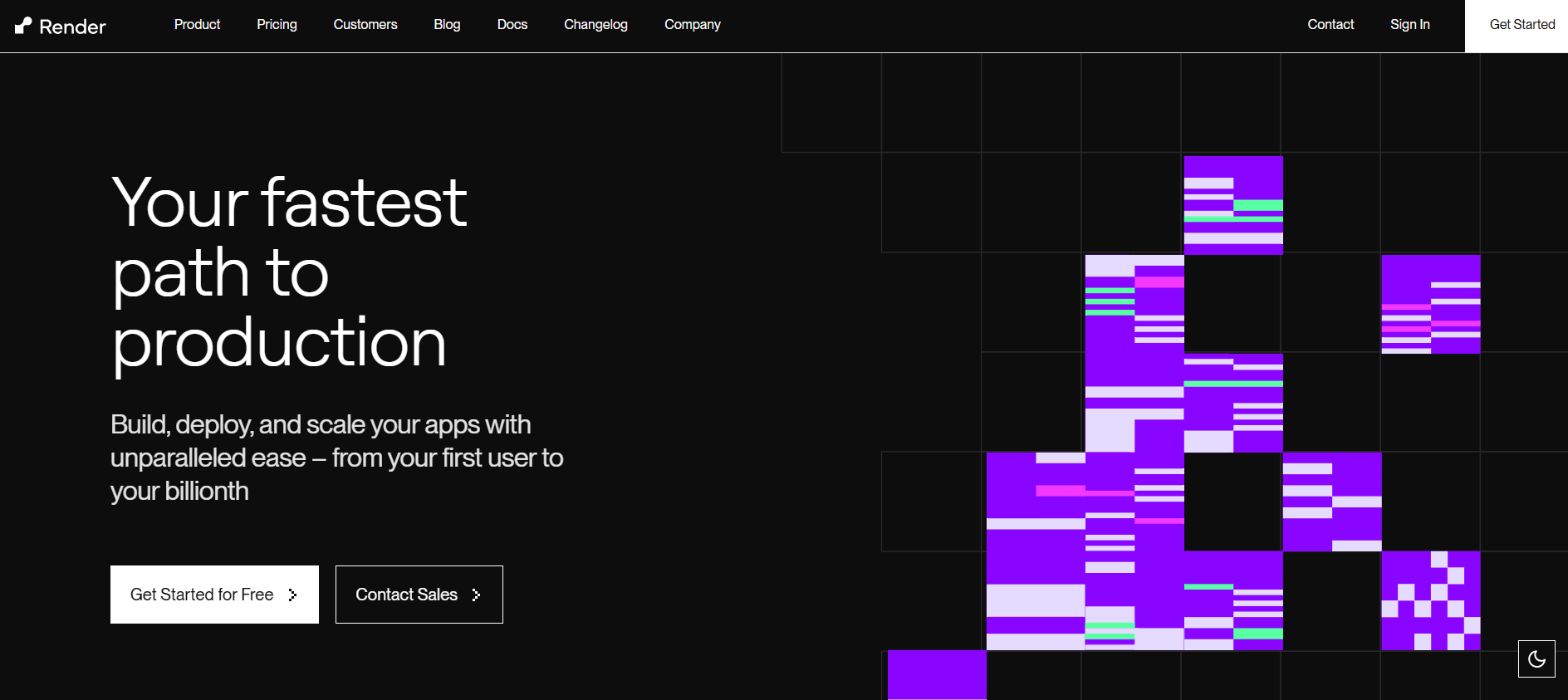
[Render](https://render.com/) supports web services, private services, background workers, cron jobs, static sites, PostgreSQL and a Redis-compatible Key Value service. Git-based auto-deploys and preview environments make the workflow familiar to teams leaving Heroku.
#### How Render differs from Heroku
Render exposes explicit service and instance types while retaining a managed experience. Native Docker support and preview environments give teams additional deployment options. The ecosystem is smaller than Heroku's add-on marketplace, so migrations that depend on specialized add-ons need a service-by-service review.
#### Pricing
Render offers free instances for selected services and paid compute beginning at $7 per month. Workspace plans are separate from compute charges. Render states that [free web services spin down after 15 minutes without inbound traffic](https://render.com/docs/free), while paid instances do not.
#### Strengths
* Web services, workers, cron and managed data services in one platform
* Git deployment and native Docker support
* Preview environments and zero-downtime deploys
#### Limitations
* Free instances have sleep, usage and persistence restrictions
* Production costs include each service, worker and database
* Some workspace features require a paid workspace plan
**Choose Render if:** you want one of the closest modern managed experiences to Heroku and need persistent backend services.
### 3. Railway

**Best for:** Prototypes, side projects and applications composed of several services
**Platform model:** Managed PaaS
[Railway](https://railway.com/) provides a visual canvas for connecting services, databases and volumes. Railpack can generate build configuration from source code, while templates make common data services quick to provision.
#### How Railway differs from Heroku
Railway uses resource-based billing rather than fixed dyno tiers. Its project canvas makes service relationships visible, but teams need to monitor CPU, memory, storage and egress as an application grows.
#### Pricing
Railway's [current pricing](https://railway.com/pricing) includes a 30-day trial with $5 in credits, followed by a limited Free plan with $1 of monthly usage. Hobby has a $5 minimum usage commitment, and Pro has a $20 minimum usage commitment. Usage beyond included credits is billed separately.
#### Strengths
* Fast setup and clean multi-service workflow
* Built-in database templates and private networking
* Usage-based resource model
* No per-seat charge on the current Pro plan
#### Limitations
* Costs depend on resource consumption and need active monitoring
* The limited Free plan is intended for small applications, and cron jobs are available only during the trial unless the user upgrades to a paid plan
* Advanced compliance and BYOC capabilities are enterprise features
**Choose Railway if:** you want to assemble and deploy a small multi-service application quickly and are comfortable monitoring usage.
### 4. DigitalOcean App Platform
**Best for:** Teams that want managed deployment plus access to a broader cloud ecosystem
**Platform model:** Managed PaaS
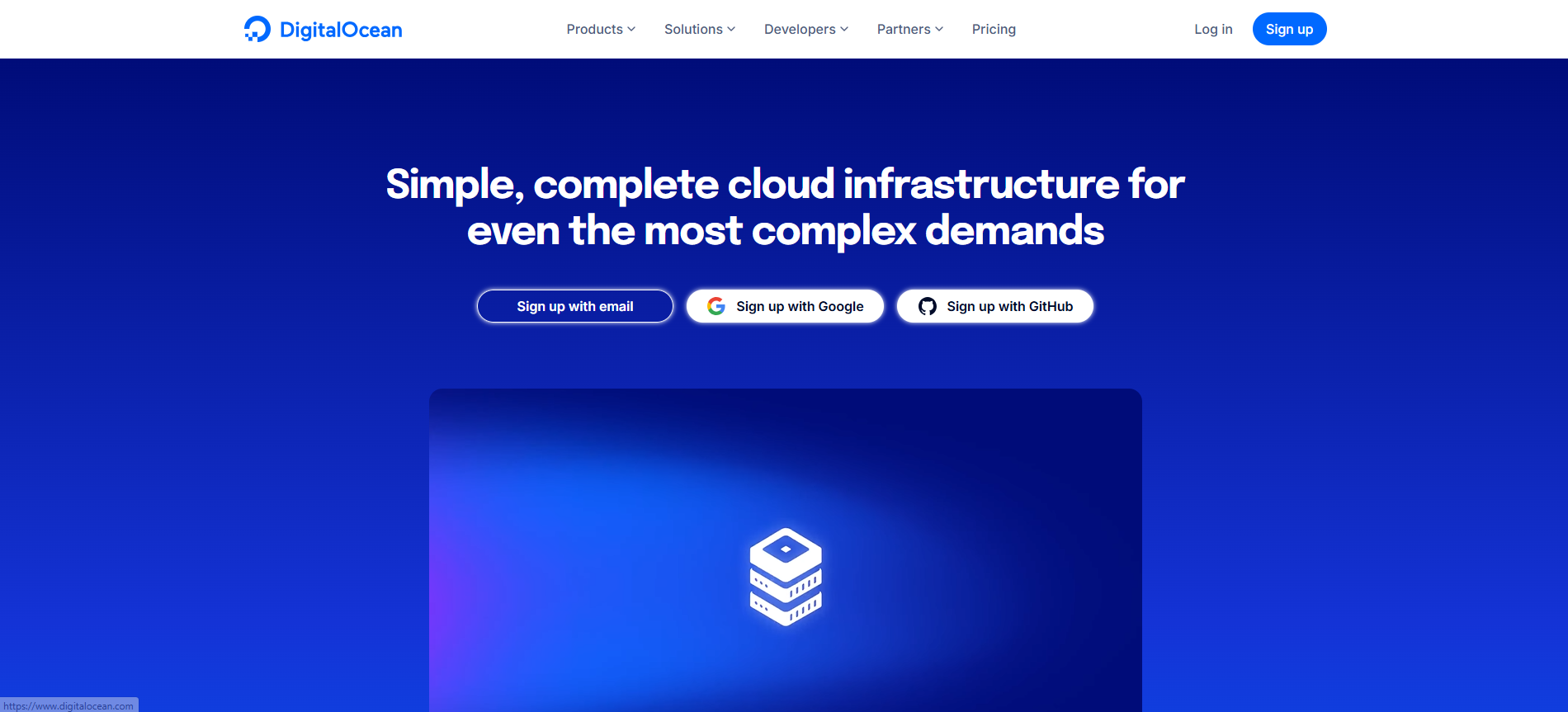
[DigitalOcean App Platform](https://www.digitalocean.com/products/app-platform) deploys applications from Git repositories or container images and handles builds, TLS, rollbacks and infrastructure management. It integrates with DigitalOcean databases, storage, networking and compute products.
#### How DigitalOcean App Platform differs from Heroku
DigitalOcean uses Cloud Native Buildpacks, which can reduce migration work for some Heroku applications. It also offers a path from App Platform into other DigitalOcean products when a team needs more infrastructure control.
#### Pricing
The [App Platform pricing page](https://www.digitalocean.com/pricing/app-platform) lists static-site apps on the free tier and paid container instances from $5 per month. Workers, databases, dedicated egress IPs and excess transfer add separate costs. Autoscaling is limited to eligible dedicated CPU instances.
#### Strengths
* Predictable container sizes and monthly caps
* Git, container registry and buildpack deployment
* Integration with a broad set of cloud services
#### Limitations
* Free hosting is limited to static sites
* Databases and additional components increase the total price
* Autoscaling is not available on every instance type
**Choose DigitalOcean App Platform if:** you want a managed starting point with a clear route into a larger cloud platform.
### 5. Fly.io

**Best for:** Applications that need regional placement, low latency or infrastructure control
**Platform model:** Managed application infrastructure
[Fly.io](https://fly.io/) runs applications in Machines based on Firecracker microVMs. Teams choose regions, machine resources, storage and networking behavior rather than deploying into an entirely abstracted dyno model.
#### How Fly.io differs from Heroku
Fly.io gives developers more control over regions, Machines, volumes and networking. That flexibility can improve placement and latency, but it introduces more infrastructure decisions than Heroku, Render or Kuberns.
#### Pricing
Fly.io uses [resource-based pricing](https://fly.io/docs/about/pricing/). A shared CPU Machine with 256 MB of RAM is listed at about $2.02 per month when running continuously, before storage, dedicated IPv4, certificates or data transfer. New organisations receive a trial rather than the legacy free allowances available to some older accounts.
#### Strengths
* Regional deployment and Anycast networking
* Fine-grained Machine sizes and autostop or autostart options
* Persistent volumes and container-based workflows
#### Limitations
* More networking and infrastructure concepts to manage
* The final bill includes compute, storage, IPs and transfer
* Not the simplest choice for a team seeking a direct zero-configuration replacement
**Choose Fly.io if:** regional placement and infrastructure control are more important than matching Heroku's simplicity.
### 6. Northflank

**Best for:** Teams running services, jobs, databases, pipelines or workloads in their own cloud
**Platform model:** Managed PaaS and BYOC platform
[Northflank](https://northflank.com/) combines application services, cron and one-off jobs, managed databases, build pipelines, preview environments, secrets and observability. Teams can use Northflank's managed cloud or deploy into supported cloud accounts.
#### How Northflank differs from Heroku
Northflank covers a broader infrastructure surface than a traditional dyno-based PaaS. BYOC, GPU workloads and advanced pipelines provide more control, while the platform continues to abstract the underlying orchestration.
#### Pricing
Northflank's [Sandbox tier](https://northflank.com/pricing) includes two free services, one free database and two free cron jobs, with always-on compute. Paid compute is billed by resource consumption, with entry configurations listed from $2.70 per month.
#### Strengths
* Services, jobs, databases and pipelines in one platform
* Managed cloud and BYOC options
* Free Sandbox with always-on compute
* Buildpacks and custom Dockerfiles
#### Limitations
* More concepts and configuration than a simple PaaS
* Complex BYOC and enterprise requirements need careful planning
* Usage-based pricing varies with the selected resources
**Choose Northflank if:** you need a platform that can grow from managed services into more complex or BYOC infrastructure.
### 7. Qovery

**Best for:** Teams that want to run applications in their own cloud without managing Kubernetes directly
**Platform model:** BYOC control plane
[Qovery](https://www.qovery.com/) manages application environments on infrastructure in a customer's AWS, GCP, Azure or Scaleway account. It focuses on Kubernetes automation, environment management, deployment workflows and governance.
#### How Qovery differs from Heroku
Heroku hosts workloads inside Heroku-managed infrastructure. Qovery acts as a control plane over clusters in the customer's cloud account. This provides more ownership and portability, but the team still pays for both cloud resources and the platform.
#### Pricing
Qovery's [July 2026 pricing](https://www.qovery.com/pricing) is usage-based for Team and Business plans, with custom Enterprise pricing. The public page no longer presents the older fixed $29 plan as the current entry price. Teams should request or generate an estimate that includes both Qovery and cloud-provider costs.
#### Strengths
* Workloads remain in the customer's cloud account
* Environment automation and Kubernetes abstraction
* Supports multiple major cloud providers
#### Limitations
* More infrastructure concepts than a traditional managed PaaS
* Requires a separate cloud account and cloud bill
* Public pricing requires a tailored usage estimate
**Choose Qovery if:** cloud ownership and Kubernetes flexibility matter, but your developers should not manage clusters directly.
### 8. Upsun

**Best for:** Professional teams that need repeatable environments and managed application services
**Platform model:** Managed PaaS
[Upsun](https://upsun.com/) is the current brand for the platform previously known as Platform.sh. It supports multiple application services, preview environments, automated deployments, managed data services and enterprise workflow controls.
#### How Upsun differs from Heroku
Upsun models applications and environments as structured projects. It is especially useful for teams that need consistent development, staging and production environments. This model is more configurable, but also more involved than deploying a single Heroku dyno.
#### Pricing
Upsun's [current pricing](https://upsun.com/pricing/) is based on provisioned resources, project fees and user licences. It offers a 15-day free trial and an ongoing credit that can cover the first project fee and one user licence, subject to its terms.
#### Strengths
* Repeatable preview and production environments
* Managed application and data services
* Real-time billing estimates and enterprise controls
#### Limitations
* Pricing has several resource and user dimensions
* More application modelling than simpler PaaS products
* Best suited to teams that will use its environment workflow
**Choose Upsun if:** consistent environments, governance and managed services matter more than the simplest possible first deployment.
### 9. Vercel

**Best for:** Next.js, frontend applications and web teams that rely on preview deployments
**Platform model:** Frontend cloud and functions
[Vercel](https://vercel.com/) provides Git-based deployment, preview URLs, a global delivery network, functions and framework-aware build behavior. It is closely aligned with Next.js and also supports other frontend frameworks.
#### How Vercel differs from Heroku
Vercel is frontend-first rather than a general replacement for Heroku dynos. It excels at web delivery and functions, but applications that depend on persistent workers, long-running processes or traditional backend services may need additional infrastructure.
#### Pricing
Vercel's [Hobby plan](https://vercel.com/pricing) is free for personal, non-commercial use. Pro starts at $20 per developer seat per month and includes $20 in usage credit, with additional resource usage billed separately.
#### Strengths
* Strong Next.js and frontend developer experience
* Preview deployments and instant rollbacks
* Global delivery and framework-aware builds
#### Limitations
* Hobby is not intended for commercial production use
* Persistent backend workloads may require another platform
* Usage beyond included allowances can add several billing dimensions
**Choose Vercel if:** the application is frontend-led and preview deployments or Next.js integration are more important than persistent backend processes.
### 10. Netlify

**Best for:** Static sites, JAMstack projects and frontend teams
**Platform model:** Frontend cloud and functions
[Netlify](https://www.netlify.com/) combines Git-based deployment, deploy previews, functions, a global CDN, forms and frontend workflow tools. It can run backend logic through functions, but it is not a direct replacement for every persistent Heroku process.
#### How Netlify differs from Heroku
Netlify is optimized around web projects, builds and functions instead of always-on application dynos. It is a strong option for frontend workloads, while full backend applications may require external databases, queues or persistent compute.
#### Pricing
Netlify's [current credit-based plans](https://www.netlify.com/pricing/) include Free with 300 monthly credits, Personal at $9 per month with 1,000 credits, and Pro from $20 per month with unlimited members. Production deploys, compute, bandwidth and requests consume credits.
#### Strengths
* Simple Git deployment and deploy previews
* Global CDN, functions and frontend workflow features
* Free entry plan and unlimited members on Pro
#### Limitations
* Credit consumption needs monitoring
* Accounts can pause when they reach a hard credit limit
* Persistent workers and traditional backend services are not its core model
**Choose Netlify if:** the project is static or frontend-first and benefits from deploy previews, functions and an integrated web workflow.
### Watch: The Best Heroku Alternative of 2026
Prefer a quick video walkthrough over reading through all 10 platforms? This breakdown covers the top Heroku alternative for 2026 and why it stands out from the rest of the list above.
## How to Migrate from Heroku in One Click with Kuberns
[Kuberns](https://kuberns.com/) is an Agentic AI platform for deployment designed to reduce the configuration normally required when moving an application.
1. **Connect the GitHub repository.** Select the repository that contains the existing Heroku application.
2. **Let Kuberns inspect the stack.** Agentic AI detects the framework, dependencies and build requirements.
3. **Add environment variables and secrets.** Move the configuration values the application currently reads from Heroku.
4. **Verify connected services.** Kuberns detects the application configuration, while you confirm the required database, cache, storage and third-party credentials before moving production traffic.
5. **Deploy the application.** Kuberns builds the project and provisions the deployment from the connected repository.
6. **Test the production path.** Validate web requests, background tasks, scheduled work, database connections and file persistence.
7. **Move traffic.** Update the custom domain only after the new deployment passes testing.
The application deployment can begin with one click, but a responsible migration may still require database transfer, add-on replacement and DNS validation. Our complete [Heroku migration guide](https://kuberns.com/blogs/migrate-from-heroku/) covers those checks in detail.
## Conclusion
Heroku proved that application deployment could be simpler than managing cloud infrastructure directly. Kuberns takes that idea further by using Agentic AI to handle stack detection, builds and deployment without requiring teams to configure infrastructure for every project.
For startups, agencies and development teams moving away from Heroku, [Kuberns](https://kuberns.com/) provides a direct path from a GitHub repository to a production deployment. Plans start at $7, there is no per-user pricing, and bundle packs provide additional savings as your deployment requirements grow.
If your priority is spending less time on deployment configuration and more time building the application, connect your repository and let Kuberns Agentic AI manage the deployment workflow.
## Frequently Asked Questions
### What is the best Heroku alternative in 2026?
Kuberns is the best Heroku alternative for full-stack and complex backend applications when teams want Agentic AI for deployment with minimal configuration. Connect a GitHub repository, and Kuberns handles stack detection, builds and deployment configuration. Render provides a familiar managed PaaS workflow, Railway suits fast prototypes, and Fly.io offers more regional infrastructure control.
### Is there a free Heroku alternative?
Render, Railway, Northflank, Vercel and Netlify offer free plans or limited free resources. Review the conditions carefully. Render free web services sleep after inactivity, Vercel Hobby is for personal non-commercial use, and Netlify measures usage through monthly credits.
### Which Heroku alternatives support background workers?
Kuberns, Render, Railway, DigitalOcean App Platform, Fly.io and Northflank can run persistent services or background workloads. The setup and price differ, so compare worker resources, restart behavior, cron support and access to queues or databases.
### Which Heroku alternative does not put applications to sleep?
Kuberns has plans starting at $7 rather than a sleeping free web-service tier. Northflank says its Sandbox compute is always on. Render free web services spin down after 15 minutes without inbound traffic, while paid Render instances do not.
### Which platform is closest to Heroku?
Render and Railway are among the closest options for developers who want Git-based deployment and managed services. DigitalOcean App Platform's use of Cloud Native Buildpacks can also reduce migration work for some applications.
### What is the best Heroku alternative for Flask or Python?
Kuberns is the best Heroku alternative for Flask and Python teams that want Agentic AI for deployment with minimal configuration. Render, Railway and DigitalOcean App Platform also support Python web applications, persistent workers, cron jobs and managed database integrations.
### Can I migrate from Heroku without learning Kubernetes?
Yes. Kuberns, Render, Railway and DigitalOcean App Platform manage the underlying infrastructure. Northflank and Qovery also abstract Kubernetes, but their advanced infrastructure and BYOC options introduce additional concepts.
### What is the best Heroku alternative for startups?
Kuberns is the best Heroku alternative for startups that want to reduce deployment configuration through Agentic AI. Railway is useful for prototypes, Render provides a broad managed PaaS, and DigitalOcean App Platform offers access to a larger cloud ecosystem.
### Is Heroku still worth using in 2026?
Heroku can still be suitable for an existing stable application that depends on its mature ecosystem. However, it entered sustaining engineering mode in February 2026. Teams starting a new long-term application should compare actively developed alternatives before committing.
---
- [More Alternatives articles](https://kuberns.com/blogs/category/alternatives/1/)
- [All articles](https://kuberns.com/blogs/)